

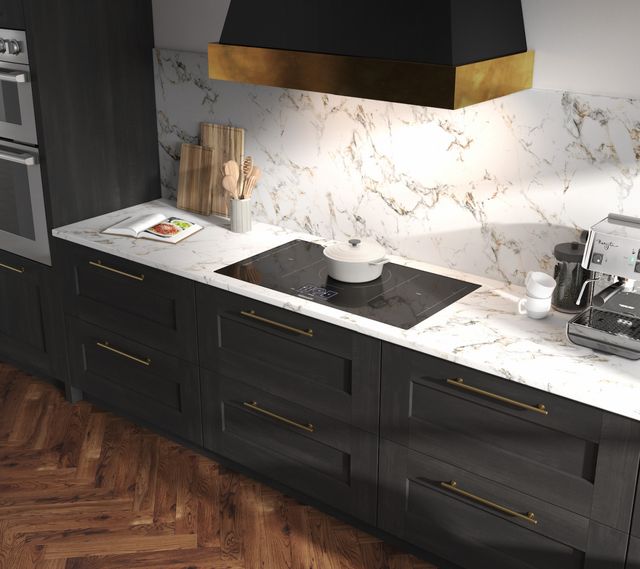
At a Glance
Choosing between an induction vs electric cooktop isn’t as simple as it looks. On the surface, both have sleek glass tops and modern controls. But underneath, they work in completely different ways, and that impacts everything from cooking speed to long-term cost.
This choice matters more in 2026 than ever. Unfortunately, energy prices are rising, and more homeowners are moving toward all-electric, high-performance kitchens. Picking the wrong cooktop can mean slower cooking, higher bills, or a setup that doesn’t match how you actually cook.
Texas Appliance helps simplify that decision by offering experts to guide you, side-by-side comparisons, and access to tons of top-tier models with professional Texas Appliance cooktop installation support.
Today we will discuss the following:
- The real mechanical difference between induction and electric heat transfer
- The long-term cost of ownership, including energy and repairs
- Which option fits your cooking habits and kitchen goals
The Science of Heat Transfer: Magnetic vs Radiant Energy
The biggest difference in the induction vs electric cooktop debate comes down to how heat is created.
Induction: Direct Magnetic Energy
Induction uses electromagnetic fields generated by copper coils beneath the surface. When you place compatible cookware on the cooktop, magnetic energy creates friction directly in the pan.
This is known as magnetic induction vs thermal conduction, and it’s why induction feels almost instant. The process is really simple; it goes like this:
- Heat is generated inside the cookware
- The glass surface stays relatively cool
- Energy loss is minimal
Electric Radiant: Indirect Heat Transfer
Electric cooktops rely on resistance heating. Coils beneath the glass heat up, then transfer that heat to the surface and finally into the pan. This layered process creates a lag:
- First the element heats
- Then the glass surface
- Then the cookware
That delay is the main difference in induction vs radiant electric performance.
Why Induction Feels Faster
Because induction skips the middle steps, it responds immediately when you adjust the temperature. Electric cooktops, on the other hand, take time to heat up and cool down.
This also affects your kitchen environment. Induction produces less ambient heat, which helps keep your kitchen cooler during long cooking sessions. That’s a major advantage in modern homes focused on comfort and energy-saving appliances.
➜ Learn More: Thermador vs Viking Cooktop: How to Choose
Efficiency and Performance Benchmarks for 2026
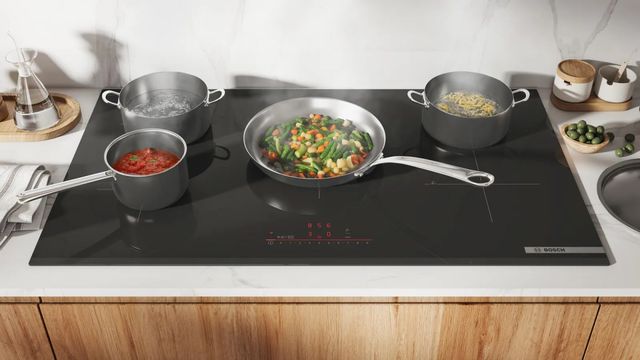
Performance is where the induction vs electric cooktop comparison becomes clear.
Boiling Speed Comparison
Induction is significantly faster. In most tests, the induction cooktop boils water in about half the time, while electric radiant cooktops take noticeably longer due to heat transfer loss. This boiling speed comparison matters if you cook frequently or need quick results.
Energy Efficiency
- Induction: 90% efficient
- Electric radiant: 74% efficient
That difference adds up over time, especially in larger households. The rise of induction cooktop efficiency in 2026 standards is one reason induction is becoming the best cooktop for luxury kitchen designs.
Precision Temperature Control
Induction offers superior, precise temperature control; this includes things like
- Instant heat adjustments
- Stable low-temperature performance
- Ideal for melting chocolate or simmering sauces
Electric cooktops struggle with these tasks because of residual heat.
Power Boost Features
Many professional grade cooktops now include Power Boost modes. This temporarily increase heat output and is ideal for boiling or searing. Induction handles this especially well due to its direct energy transfer.
➜ Learn More: 36" Gas Cooktops: Our Top Picks
Why Chefs Prefer Induction
Induction’s responsiveness is often compared to gas. For serious home cooks, it delivers immediate feedback, consistent results, and greater control.
Induction vs Electric Radiant: Head-to-Head Comparison
| Feature | Induction Cooktop | Electric Radiant Cooktop |
|---|---|---|
| Heat Source | Electromagnetic energy | Resistance heating |
| Cookware Compatibility | Requires induction compatible cookware | Works with all cookware |
| Boiling Speed | Very fast | Moderate |
| Surface Temperature | Lower during use | Very hot |
| Energy Efficiency | ~90% | ~74% |
| Control Precision | Excellent | Moderate |
| Average Lifespan | 10–15 years | 8–12 years |
| Best Use Case | High-performance cooking | Budget-friendly upgrades |
➜ Learn More: Must-Have Features to Look for in an Induction Cooktop
Cookware Compatibility and Installation Requirements
One of the biggest concerns in the induction vs electric cooktop decision is cookware.
Do You Need New Cookware?
Not always. You just need magnetic materials. A simple way to test your pans with a magnet. If it sticks, it works. (Cast iron and most stainless steel are compatible.) This will address any confusion around induction-compatible cookware.
Electrical Requirements
Both cooktops typically require a 240V connection. However, you may find that induction may need higher amperage. Professional installation is also strongly recommended for induction range tops. Programs like Fit Guarantees from major brands help ensure your new unit fits your existing cutout.
Noise Considerations
Induction cooktops can produce a slight hum or clicking sound. This noise comes from pulse-width modulation controlling energy output. It’s normal and usually only noticeable at higher power levels.
Maintenance and Long-Term Durability
Daily use is where the induction vs electric cooktop choice really shows up.
Cleaning and Surface Care
Induction has a major advantage when it comes to everyday cleaning and care. This is because the surface stays cooler and spills don’t bake on. This makes glass-ceramic surface cleaning much easier. Electric cooktops, by contrast, get hot enough to burn spills into the surface.
Glass Durability
Most premium models use Schott Ceran® glass. This glass is resistant to heat and impact, along with being designed for long-term durability. Still, heavy cookware should be handled carefully to avoid scratches.
Repair Costs
This is where electric cooktops have an edge. They have simpler components, which means lower electric cooktop repair costs.
Induction systems are more complex; they include things like circuit boards and sensors, which can be expensive to replace.
Preventing Damage
To extend lifespan, here are some tips:
- Avoid sliding heavy pans
- Clean regularly to prevent buildup
- Use flat-bottom cookware
These small habits make a big difference over time.
The Best Induction and Electric Cooktop Models at Texas Appliance
Explore top induction and electric cooktop models at Texas Appliance, from sleek, energy-efficient designs to powerful options built for everyday cooking and modern kitchens.
SKS 36" Black Glass Induction Cooktop with Flex Cooking Zones
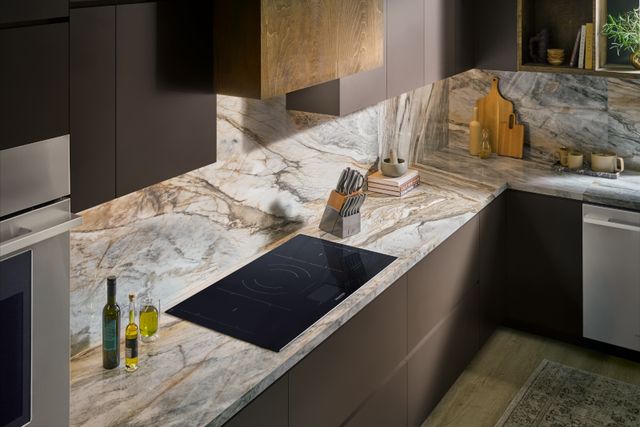
Shop the SKS 36" Induction Cooktop
SKS’s high-end induction cooktop is built for flexibility and performance. The flex cooking zones allow you to combine burners for larger cookware, making it ideal for entertaining or complex meals. It delivers fast heating with excellent responsiveness, aligning with what you expect from professional grade cooktops. The design also fits seamlessly into modern kitchen remodel trends, offering both style and function.
Top Features
- Flex cooking zones
- High-speed induction heating
- Sleek black glass surface
Bosch Benchmark 36" Induction Cooktop
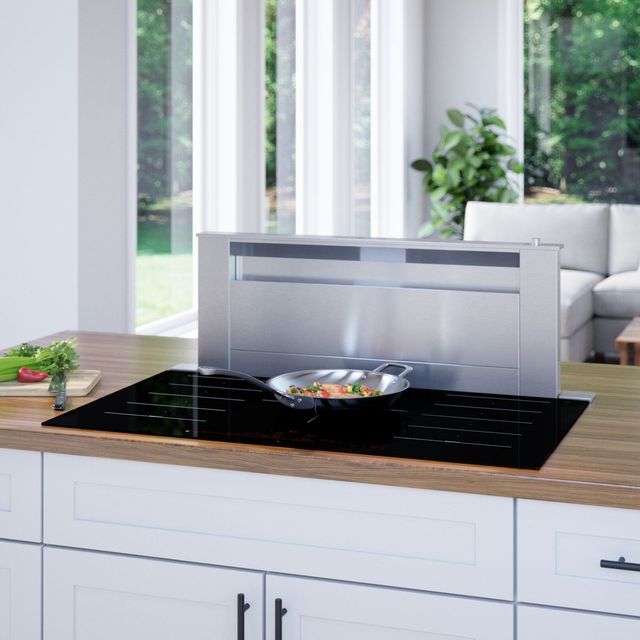
Shop the Bosch Benchmark 36" Induction Cooktop
This Bosch induction cooktop balances performance with user-friendly controls. It offers consistent heating across zones and a streamlined interface that makes daily cooking easier. The precision it delivers is ideal for anyone prioritizing precise temperature control in everyday use. It’s a strong contender for homeowners upgrading to energy saving appliances without sacrificing usability.
Top Features
- Touch controls
- Even heat distribution
- Quiet operation
LG 30" Black Induction Cooktop
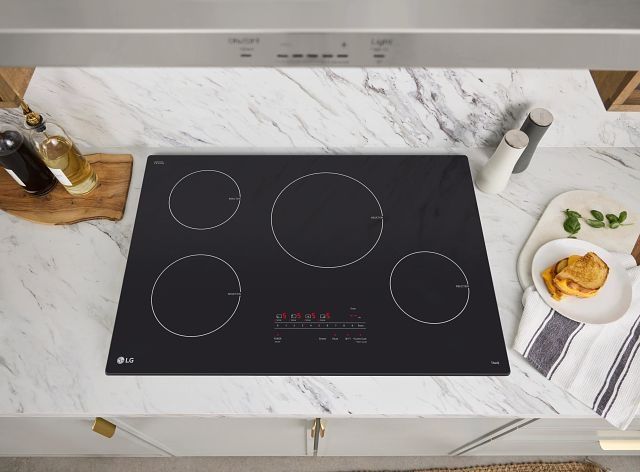
Shop the LG 30" Black Induction Cooktop
A solid entry into induction, this LG cooktop offers fast heating and a compact design that fits smaller kitchens. It performs well across common cooking tasks and introduces the benefits of induction cooktop efficiency 2026 without overwhelming complexity. The layout is practical for everyday use, making it a good starting point for those new to induction.
Top Features
- Rapid boil performance
- Compact design
- Easy-to-use controls
GE Profile 30" Black Electric Cooktop
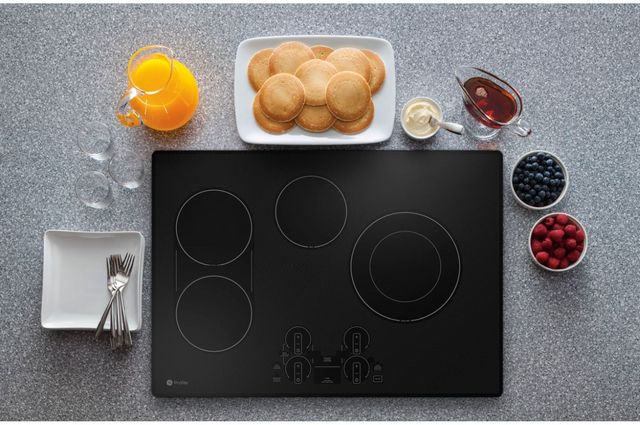
Shop the GE Profile 30" Black Electric Cooktop
This electric cooktop by GE Profile offers dependable performance with a smooth glass surface that’s simple to maintain. It’s a practical option for those who want a familiar cooking experience without switching to induction. The consistent heating makes it suitable for a wide range of dishes, especially for users comfortable with induction vs radiant electric differences.
Top Features
- Smooth glass surface
- Multiple heating elements
- Reliable performance
⭐GE Profile Electric Cooktop Review:
"The flat glass cooktop with no knobs is sleek-looking and easy to clean. The electronic controls with digital display are simple to use, and the heating units get to the temperature you want super fast; you can boil water quickly. Love it."
Whirlpool 36" Black Electric Cooktop
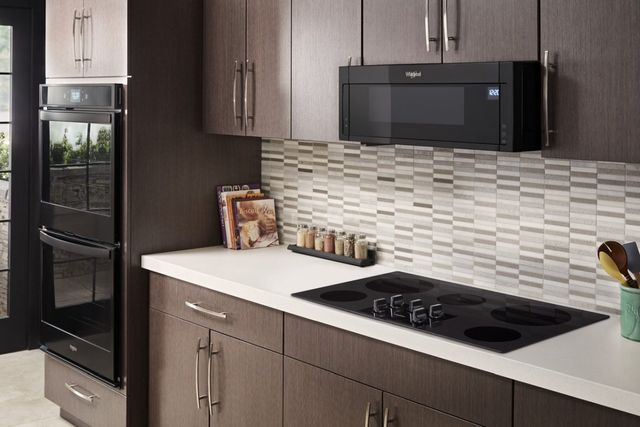
Shop the Whirlpool 36" Black Electric Cooktop
Designed for simplicity, this Whirlpool electric cooktop delivers steady heat and a straightforward layout. It’s ideal for homeowners looking for a budget-friendly upgrade while still aligning with modern kitchen remodel trends. The larger surface area supports multiple dishes at once, making it practical for families.
Top Features
- Large cooking surface
- Simple controls
- Affordable price point
⭐Whirlpool Electric Cooktop Review:
"Stylish, efficient, and easy to clean — great performance from the dual radiant element."
Café 36" Black Electric Cooktop
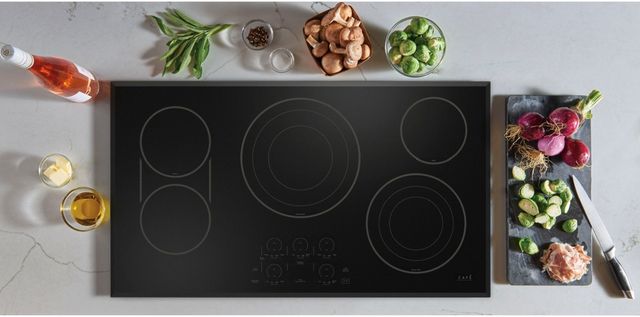
Shop the Café 36" Black Electric Cooktop
This model blends performance with design-forward styling. It offers strong heating capability while complementing high-end kitchens with a refined look. The Café electric cooktop is a good fit for those prioritizing aesthetics alongside function in the induction vs electric cooktop decision. The surface is also designed for easier glass ceramic surface cleaning, which helps with daily maintenance.
Top Features
- Stylish design
- Powerful heating elements
- Easy-clean surface
⭐Café Electric Cooktop Review:
"We love our new cooktop! Flexible cooking options with responsive heating. Bridge elements are great along with the two multiple-size elements."
Shop High-Performance Cooktops at Texas Appliance
The choice between induction and electric cooktop ultimately comes down to your personal culinary style. If you prioritize precision, speed, and a sleek, cool-to-the-touch workspace, induction is the clear winner.
However, if you prefer straightforward operation and universal cookware compatibility at a more accessible price point, traditional electric remains a reliable standard.
At Texas Appliance, we help you bridge the gap between inspiration and installation. Our specialists provide the expert comparisons and professional support needed to ensure your kitchen upgrade is seamless. Don’t leave your remodel to chance—visit us today to find the perfect fit for your home.
Frequently Asked Questions about Induction and Electric Cooktops
Yes. Induction cooktops heat cookware directly, which means they typically cook faster and respond more quickly than traditional electric radiant cooktops.
Yes. Induction cooktops require magnetic cookware, including many stainless steel and cast iron pots and pans. If a magnet sticks to the bottom, it will usually work.
Induction cooktops are usually easier to clean because the surface stays cooler, so spills are less likely to burn onto the glass.
Most modern induction cooktops are considered safe, but manufacturers and medical professionals recommend checking your pacemaker guidelines and speaking with your doctor before use.
Induction cooktops often cost more because they use advanced technology that delivers faster heating, better temperature control, and greater energy efficiency.
No. Induction cooktops are generally more energy efficient because they send more heat directly into the cookware instead of heating the cooking surface first.
Why Trust Texas Appliance?
With roots back to the 1950s, Texas Appliance is an established, locally owned and operated, residential major appliance retailer serving both residential and builders’ needs. Our 4 locations allow us to offer a full spectrum of appliances to meet your every need. With over 40 major quality brands, Texas Appliance has one of the largest displays of built–in and free–standing appliances in the state of Texas.
We will be the best appliance dealer in our markets by exceeding our customers' expectations in every way. We will treat our customers, vendors and fellow employees with respect, honesty, integrity and appreciation. The difference between a "Good" company and a "Great" company lies in its' employees' determination.
Shop Induction and Electric Cooktops at Texas Appliance
Stop by Texas Appliance’s Fort Worth Store and Outlet locations to see what a difference buying local with an experienced staff can make. Or shop cooktops online! Our friendly experts are always happy to help you find the best induction or electric cooktop for your kitchen — whether you call us at 817-299-2800, use our online chat feature, or visit us in person.